
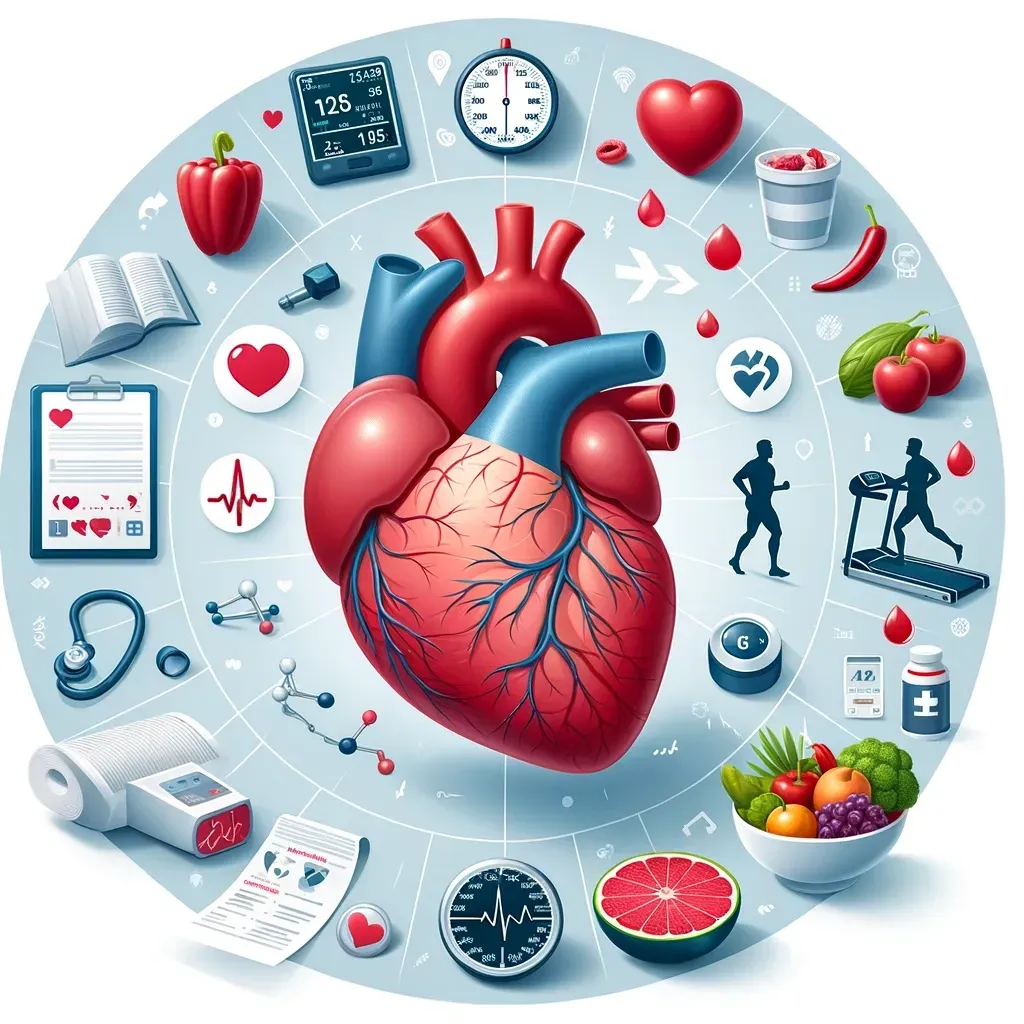
Heart Health is more than a goal; it’s a daily commitment to fueling your body and moving with purpose. This guide focuses on the health of your cardiovascular system—the heart, the vessels, and the blood flow that powers every organ. Small, sustainable changes to your diet and daily habits—like adding more fiber and whole foods—can make a big difference over time. You’ll discover practical tips about heart-healthy foods, foods for heart health, and cardio health tips that fit real life. By embracing exercise and heart health through simple routines—plus habits for stronger cardio—you can lower risk, boost energy, and feel better day to day.
Beyond the headline concept, cardiovascular wellness centers on how everyday choices influence your heart’s efficiency and the health of your blood vessels. Think of heart function as a resilient system that benefits from balanced nutrition, regular movement, and sufficient rest. Focusing on foods that support endothelial function, heart-friendly fats, and high-fiber options helps stabilize blood pressure and cholesterol without feeling restrictive. Practical steps include incorporating short activity bursts, reducing excess sodium, and planning meals that nourish overall cardio fitness. These ideas align with cardio health tips and emphasize how exercise and heart health are interconnected, even when different terms are used.
Heart Health in Daily Living: Foods and Habits that Strengthen Your Cardio
Your Heart Health is supported by everyday decisions: prioritize heart-healthy foods, rich in fiber, healthy fats, and colorful produce, while developing habits for stronger cardio. These choices help nourish the heart, support healthy blood pressure, and maintain flexible blood vessels, making it easier to move with energy throughout the day.
A practical weekly plan makes these ideas actionable: aim for three to four days of moderate cardio (walking, cycling, swimming) and two days of light resistance training, paired with meals that emphasize foods for heart health. This approach aligns with essential cardio health tips and encourages sustainable changes you can enjoy long term.
Practical Cardio Health Tips: Diet, Exercise, and Everyday Habits
Beyond nutrition, habits for stronger cardio amplify the benefits of heart-healthy foods. Regular aerobic activity, good sleep, hydration, and stress management support heart function, blood pressure regulation, and cholesterol balance, helping you feel more energized and capable during daily tasks.
By pairing exercise and heart health with mindful eating, you create daily routines that reinforce endothelial function and vascular health. Keep a simple plan: hydrate well, limit sodium, prioritize quality sleep, and practice consistent movement, all of which are core cardio health tips that you can sustain.
Frequently Asked Questions
Which heart-healthy foods should I include to support Heart Health and foods for heart health in my daily meals?
Heart-healthy foods such as leafy greens, berries and colorful fruits, whole grains, fatty fish or plant-based fats, nuts and seeds, beans, garlic and spices, and a touch of dark chocolate form the core of foods for heart health. These choices provide fiber, healthy fats, antioxidants, and minerals that help regulate blood pressure and cholesterol. Practical tips: fill half your plate with vegetables, rotate color-rich produce, choose whole grains, and include a source of heart-healthy fat at most meals. Batch-cook grains and legumes, and stay hydrated. Pair these foods with regular movement for strong Heart Health.
What habits for stronger cardio can boost exercise and heart health for long-term Heart Health?
Key habits for stronger cardio include at least 150 minutes of moderate aerobic activity per week, plus two or more days of strength training. Prioritize good sleep (7–9 hours), stress management, and regular blood pressure and cholesterol checks. Hydration and lower sodium support heart function, and consistency beats perfection. A simple weekly rhythm: several cardio sessions, two resistance workouts, mindful breathing or recovery days, and meals that emphasize heart-healthy foods. For personalized guidance, consult a clinician or dietitian to tailor plans to your cardiovascular risk factors.
| Topic | Key Point | Notes / Examples |
|---|---|---|
| Foundation | Heart health is the health of the cardiovascular system; sustainable lifestyle changes beat quick fixes. | Small, consistent nourishment and activity strengthen the heart over time. |
| Core Foods | Foods rich in fiber, healthy fats, antioxidants, and minerals help regulate blood pressure and inflammation. | Key categories include leafy greens; berries; whole grains; fatty fish and plant fats; nuts/seeds/healthy oils; beans; garlic and spices; and dark chocolate (high cacao, low added sugars). |
| Practical Meal Planning | Integrating heart-healthy foods into a weekly routine is doable with color and variety at every meal. | Aim for color and variety; prioritize fiber, lean protein, and healthy fats; hydrate with water. |
| Habits for Stronger Cardio | Daily habits that support cardio health include regular aerobic activity, strength training, adequate sleep, stress management, and hydration with lower sodium. | – Regular aerobic activity: at least 150 minutes per week; – Strength training: 2+ days; – Sleep: 7–9 hours; – Stress management: breathing, yoga, meditation; – Hydration & sodium awareness; – Consistency over perfection. |
| Weekly Plan | A practical plan balances foods and habits throughout the week. | Example: 3–4 days cardio, 2 days light resistance, daily meals with vegetables, whole grains, heart-healthy fats, leafy greens, and a fruit; prioritize sleep and hydration. |
| Education & Personalization | Personalization and clinician guidance optimize results. | Genetics, existing conditions, and lifestyle factors influence results; consult a clinician or registered dietitian for tailored guidance. |
| Common Myths | There are many myths about heart health; focus on quality fats, whole carbohydrates, and sustainable patterns rather than extremes. | Healthy fats (fish, olive oil, nuts) and complex carbs (whole grains, beans, vegetables) are essential; moderation and variety yield better long-term results. |
| HTML Table Code | HTML snippet of the key-table provided below |
|
Summary
Heart Health is a lifelong journey of nourishing foods and consistent activity that strengthens the heart and improves blood pressure, cholesterol, and overall vitality. By choosing color-rich, fiber-full foods and pairing them with regular cardio and resistance training, you support your cardiovascular system while enjoying meals and life. This approach emphasizes practical, sustainable habits over quick fixes, helping you lower disease risk, boost energy, and feel better day to day. Start small—add leafy greens to meals, swap refined grains for whole grains, take daily brisk walks, and prioritize sleep—and you’ll build a robust foundation for lasting Heart Health and lifelong well-being.

