
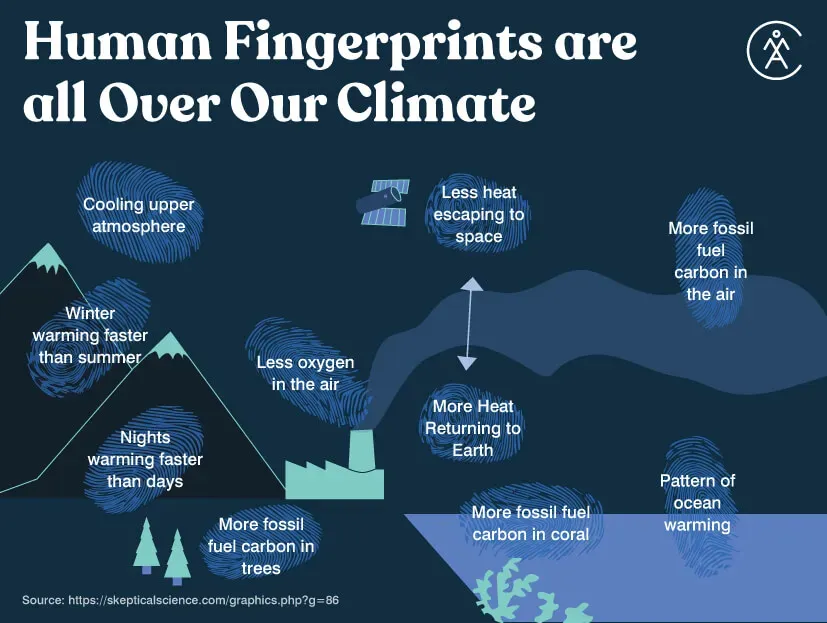
In climate change debunking efforts, researchers clarify what the scientific community actually knows and what remains uncertain, drawing on IPCC findings and the best facts about climate change. This approach separates climate myths debunked from observed data, helping readers understand the real state of our knowledge. By presenting the strongest global warming evidence and clear climate science explained, the piece equips readers to distinguish hype from robust science. It links credible research to practical actions, showing how accurate science translates into policy decisions and personal choices. Designed for the web, the tone is accessible, evidence-based, and optimized to guide readers toward reliable sources.
A second treatment of the topic uses alternative terms to frame the discussion, such as myth-busting around warming trends and misconceptions about planetary heating. LSI-friendly language connects ideas like misbeliefs about climate risk, the science behind greenhouse gas effects, and the robust IPCC conclusions that emerge from diverse data streams. Readers encounter clear explanations that translate scientific findings into everyday implications for energy choices, resilience planning, and public policy. This approach emphasizes terminology that aligns with related concepts such as evidence about climate change, warming indicators, and climate science explained, without overusing any single label. By presenting the same core message through varied phrasing, the text supports search engines in recognizing related topics while keeping the content readable and informative.
Climate Change Debunking: Separating Myths From Facts About Climate Change
Climate change debunking isn’t about dismissing concern; it’s about clarifying what the scientific community actually knows and what remains uncertain. This approach anchors the discussion in facts about climate change, the IPCC findings, and the global warming evidence that together delineate what is well established and what is still debated.
By examining climate myths debunked against a robust evidence base, we see how the climate system responds to human activities. The climate science explained here relies on multiple lines of evidence—from temperature records to ocean heat content and ice-sheet trends—demonstrating that the warming observed in recent decades is closely linked to anthropogenic CO2 emissions. The overall message is not alarm but accurate understanding of where the evidence stands.
IPCC Findings and Global Warming Evidence: Climate Science Explained for Policy and Action
IPCC findings summarize thousands of studies to provide a coherent view: the atmosphere and oceans have warmed, anthropogenic emissions are the primary driver of recent warming, and future warming depends on emission pathways. This global warming evidence underscores the risk of more extreme events and the urgency of reducing greenhouse gas emissions.
Understanding climate data through the lens of climate science explained helps policymakers and readers interpret projections, uncertainties, and potential futures. The combination of IPCC findings, global warming evidence, and robust data supports making informed decisions about energy, infrastructure, and adaptation—while reinforcing the inescapable link between human activity and climate outcomes, as highlighted by the facts about climate change.
Frequently Asked Questions
What is climate change debunking, and how do climate myths debunked relate to IPCC findings and facts about climate change?
Climate change debunking separates myths from solid evidence. Climate myths debunked highlight where misconceptions diverge from the data summarized in IPCC findings. The facts about climate change show that human activities—especially fossil fuel use—are the main driver of recent warming, supported by temperature records, ocean heat content, ice loss, and rising CO2. Understanding these points helps readers distinguish misperceptions from what climate science actually explains.
What is the evidence for global warming, and how does climate science explained align with IPCC findings and common questions about the topic?
Global warming evidence includes rising temperatures on land and in the oceans, greater ocean heat content, melting glaciers and ice sheets, and rising sea levels. Climate science explained helps readers distinguish natural variability from human influence and explains attribution studies that link recent warming to greenhouse gas emissions. IPCC findings synthesize thousands of studies and indicate that anthropogenic emissions drive most of the recent warming, while mitigation can substantially reduce future risks.
| Topic | Key Points | Notes / Evidence |
|---|---|---|
| Introduction | – Debunking clarifies what science actually knows and what remains uncertain; aims to separate myths from evidence; helps readers understand the real state of knowledge about climate change. | – Uses phrases such as facts about climate change, IPCC findings, global warming evidence, climate science explained. |
| Section 1: The Basics of Climate Change Debunking | – Distinguish natural variability from human influence; current warming is unusually rapid and linked to fossil fuels and CO2. | – IPCC findings summarize consensus; multiple lines of evidence include temperature records, atmospheric chemistry, ocean heat content, ice sheets, and sea level rise. |
| Section 2: Common Myths, Common Facts about Climate Change | – Myth 1: Climate has always changed, so today’s warming isn’t unusual. – Myth 2: CO2 isn’t harmful; it’s merely a byproduct of industry. – Myth 3: Global warming isn’t as bad as people say, or it’s a future problem. | – Facts address the natural variability vs human influence; CO2 as a greenhouse gas; current and present-day impacts; central elements explained in IPCC findings. |
| Section 3: IPCC Findings and What They Tell Us | – Warming of atmosphere and oceans; anthropogenic emissions are the primary driver since mid-20th century; future warming depends on emissions trajectories; extreme events risk rises. | – Findings guide policy and public understanding; climate science explained to inform decisions. |
| Section 4: Global Warming Evidence Across Systems | – Temperature records rise on land and sea; ocean heat content increases; glaciers/ice sheets shrink; sea level rise; seasonal shifts and habitat changes. | – Convergent evidence strengthens the case for climate change and urgency to reduce emissions. |
| Section 5: How to Read Climate Data and Avoid Misinterpretation | – Data come from satellites, stations, ships, buoys, ice cores; cross-validation, trend analysis, attribution studies. | – Focus on long-term trends, distinguish natural variability, understand uncertainty ranges and drivers of them; high-quality evidence supports conclusions. |
| Section 6: Implications for Society and Policy | – Emissions reductions and clean energy adoption can alter warming paths; adaptation strategies reduce vulnerability; communicating myths helps informed choices. | – Grounded in IPCC findings and real-world data; practical solutions matter. |
| Section 7: Addressing Uncertainties and Knowledge Gaps | – Uncertainties mainly relate to magnitude and timing of future changes; direction of change is well established; models, data, and feedbacks are continually refined. | – Recognizing what we know and what remains uncertain aids informed, cautious decision-making. |
| Section 8: Practical Steps for Individuals and Communities | – Reduce energy use; choose low-emission transport; support clean energy; advocate for evidence-based policies; invest in resilience and ecosystems. | – Individual and community actions create momentum; policy shifts are essential. |
Summary
Conclusion: Climate change debunking is a vital process for aligning public understanding with robust evidence. The facts about climate change, IPCC findings, and global warming evidence together show that human activities are altering the climate, with measurable impacts on weather, ecosystems, and human well-being. By interpreting data reliably and translating climate science explained into practical actions, individuals and communities can support resilient policies and sustainable solutions that mitigate risk and safeguard the future.

