
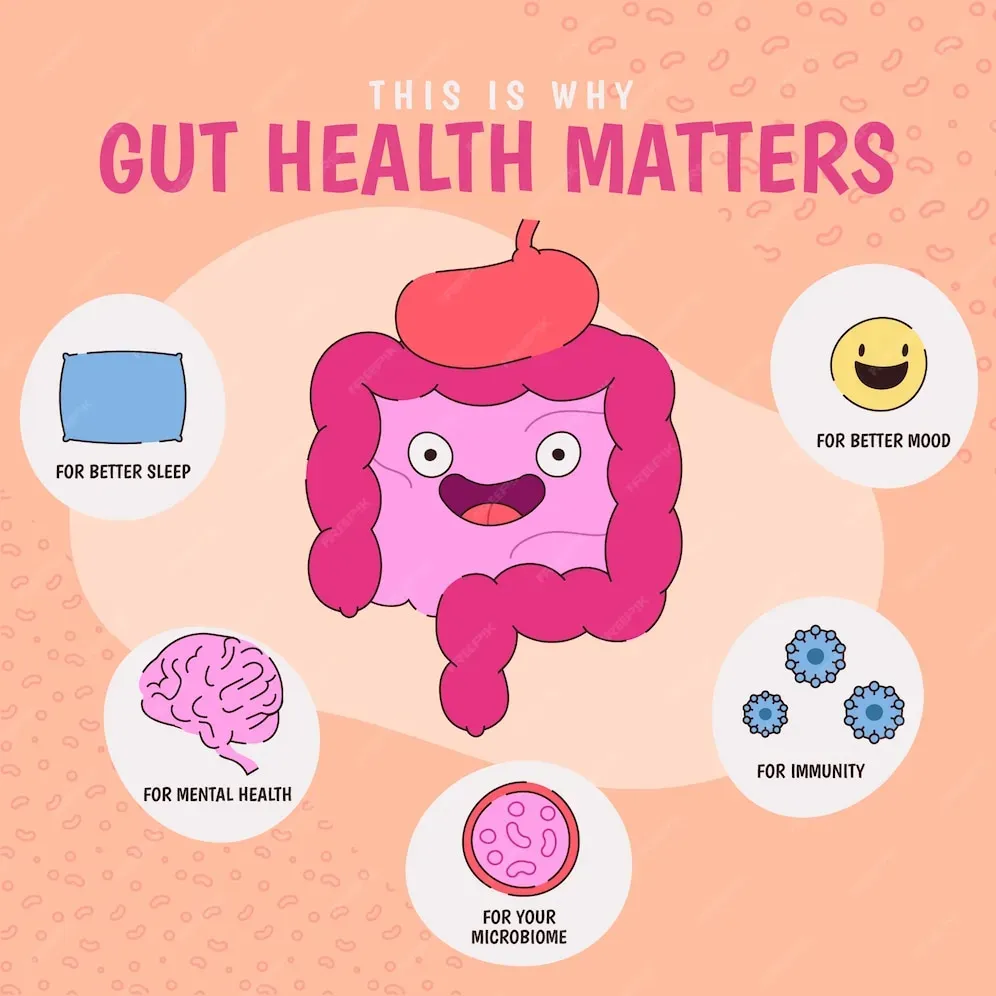
Gut Health is more than a trend—it’s the foundation of how your body digests, absorbs nutrients, and feels each day. A holistic approach blends fiber-rich foods with simple daily habits that support the gut microbiome and digestion. By prioritizing probiotics and fermented foods, you can nurture a balanced system that reduces bloating and boosts energy. Keeping hydration for digestion at the forefront helps stools move smoothly and supports the gut lining. This practical guide offers science-backed steps you can put into practice this week.
Beyond the label, digestive wellness starts with a balanced microbial community in the gut. The health of the intestinal microbiota influences nutrient extraction, immune readiness, and everyday energy. Think of this internal ecosystem as a collaboration of gut flora, beneficial bacteria, and their responses to fiber, prebiotics, and probiotics. Smart hydration, adequate sleep, and stress management support this balance, helping comfortable digestion and steady mood.
Gut Health Essentials: How Fiber-Rich Foods and Probiotics Nourish the Gut Microbiome
Your gut microbiome is a dynamic ecosystem that thrives when you consistently feed it. Fiber-rich foods provide the fuel that beneficial bacteria need to multiply, while probiotics from yogurt, kefir, sauerkraut, kimchi, and other sources introduce live cultures that help balance the microbial community. When the microbiome stays balanced, digestion tends to be smoother, gas and bloating decrease, and mood can be improved as the gut–brain axis remains steadier.
To support this, aim to weave fiber-rich foods into most meals and include a probiotic-containing option at lunch or dinner. Prebiotics like garlic, onions, leeks, leans on stalks of asparagus, and bananas help feed the good bacteria, enabling probiotics to thrive. Don’t forget hydration for digestion—water aids the action of fiber, keeps stool soft, and helps the gut lining function optimally, making daily digestive comfort more likely.
Fermented Foods, Hydration for Digestion, and Daily Habits for a Resilient Digestive System
Fermented foods are more than flavor enhancers—they deliver diverse probiotic strains that expand your gut microbiome’s range. Regularly enjoying yogurt with live cultures, kefir, sauerkraut, kimchi, miso, or tempeh introduces microbes that support digestion and immune balance. When paired with fiber-rich foods, these fermented options help cultivate a more resilient digestive system over time.
Beyond what you eat, daily habits matter. Hydration for digestion, mindful meals, and consistent eating patterns help regulate motility and reduce bloating. Pair this with light physical activity, quality sleep, and stress management to support the gut–brain axis and sustain gut health. A simple routine—one probiotic-rich item at lunch, one fiber-rich snack, and steady water intake—can move you toward lasting vitality.
Frequently Asked Questions
How can I improve gut health and support my gut microbiome through diet?
To support gut health and the gut microbiome, prioritize fiber-rich foods (such as oats, fruits, and vegetables) to feed beneficial bacteria, include probiotics from yogurt, kefir, or fermented foods, and stay hydrated to aid digestion and stool regularity. A gradual increase in fiber and prebiotics helps your gut adjust while promoting a balanced microbiome. Pair fiber with protein and healthy fats to maintain steady digestion.
What practical daily habits can promote gut health and a balanced gut microbiome?
Practice mindful eating, keep regular meal times, and stay hydrated throughout the day to support digestion and the gut lining. Include fiber-rich foods, probiotic- or fermented-food options, and engage in regular physical activity to boost gut motility. Also manage stress and prioritize sleep to support the gut–brain axis and maintain a healthy gut microbiome.
| Aspect | Key Points |
|---|---|
| What is Gut Health? | Gut health reflects how well your body digests, processes nutrients, and how you feel overall; a holistic approach blends nourishing foods with daily habits to support the digestive system and gut microbiome. |
| The Gut Microbiome | The gut hosts trillions of microbes that form a dynamic microbiome; balance supports digestion, vitamin synthesis, immunity, and mood; disruption can cause gas, bloating, irregularity. |
| Dietary Pillars | Fiber, prebiotics, and probiotics are core supports for a resilient digestive system. |
| Fiber-rich Foods | Fiber fuels beneficial bacteria and promotes regularity; sources include oats, barley, apples, pears, berries, legumes, broccoli, and leafy greens; increase gradually to prevent discomfort. |
| Probiotics | Live cultures in yogurt, kefir, sauerkraut, kimchi, miso, and tempeh; start with small portions and monitor how you feel. |
| Fermented Foods & Prebiotics | Fermented foods enhance microbial diversity; prebiotics (resistant starch and inulin) feed good bacteria; examples include bananas (slightly green), garlic, onions, leeks, asparagus, chicory, and whole grains. |
| Hydration & Polyphenols | Adequate water supports stool softness and gut lining; polyphenols from berries, tea, coffee, red grapes, and dark chocolate may benefit gut bacteria and anti-inflammatory responses. |
| Habits & Balanced Meals | Mindful eating, regular meals, adequate hydration, physical activity, quality sleep, stress management, and careful portioning help digestion; pair fiber with protein and healthy fats for steady digestion. |
| Common Myths | Myth: All probiotics are the same; reality: effects vary by strain and individual. Myth: Fiber is bad for everyone; reality: fiber helps most people but should be increased gradually. Myth: Diet alone cures all gut issues; reality: sleep, stress, and medical conditions also affect gut health. |
| When to Seek Help | If you have persistent abdominal pain, major changes in bowel habits, unintended weight loss, blood in stool, or symptoms lasting weeks, consult a healthcare professional or registered dietitian. |
Summary
Gut Health is a foundation of overall wellness, reflecting how well your body digests food, absorbs nutrients, and supports energy and mood. A holistic approach—focused on fiber-rich foods, prebiotics, probiotics, hydration, and mindful habits—helps cultivate a balanced gut microbiome, smoother digestion, and steadier vitality. By gradually adding one or two gut-friendly changes, tracking how your body responds, and choosing whole foods like oats, yogurt, berries, leafy greens, and fermented foods, you can build a sustainable routine. Prioritizing consistent meals, movement, quality sleep, and stress management also supports the gut–brain axis, reducing bloating and discomfort. In short, nurturing Gut Health leads to lasting comfort, resilience, and vitality for daily life.

