
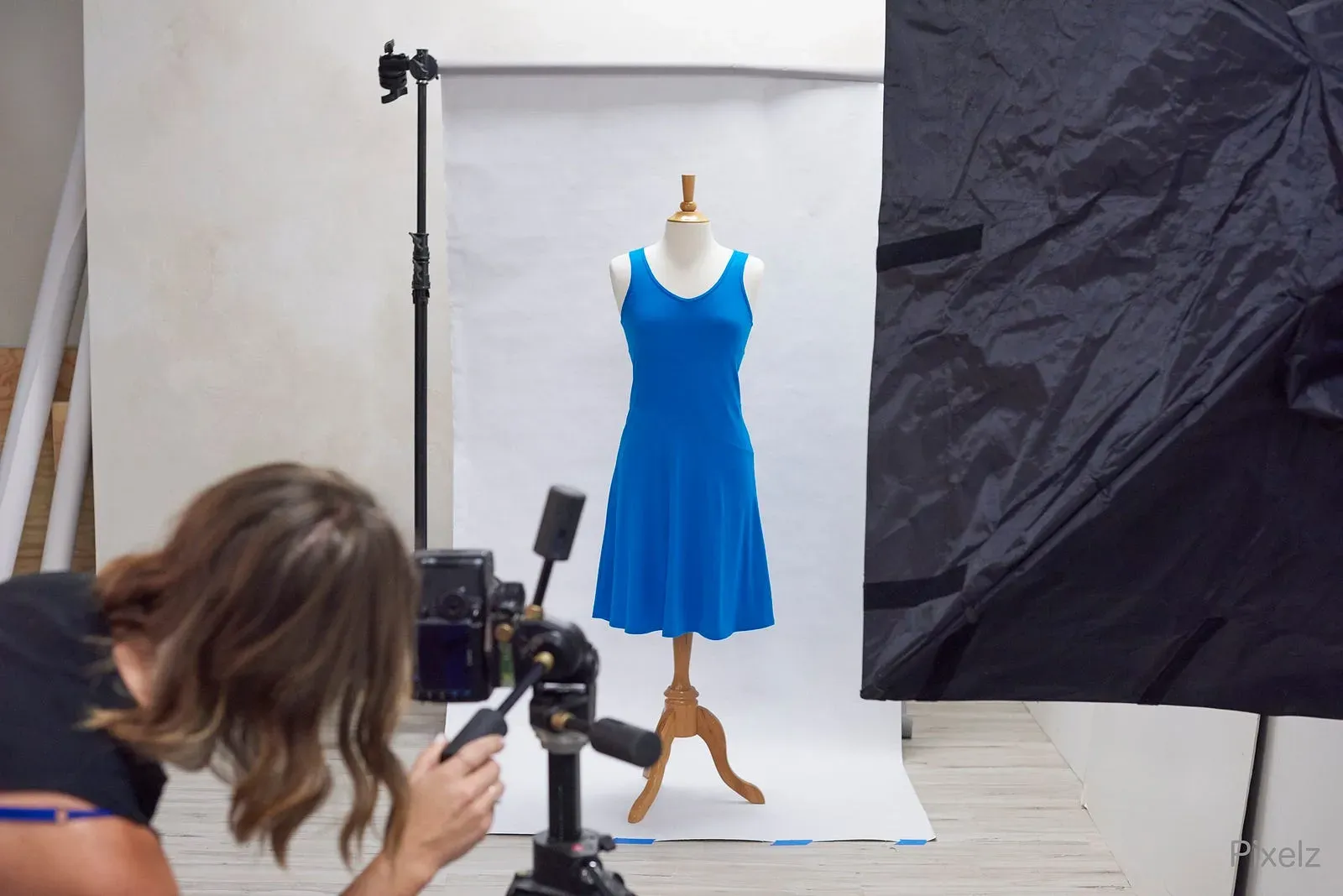
Fashion photography tips aren’t about expensive gear or glamorous locations; they’re about telling a story through outfits, light, and composition, using careful framing, texture, and mood to invite viewers closer. To make that story resonate, apply outfit photography tips that highlight texture, color, and silhouette across lookbook photography techniques, weaving wardrobe choices with lighting, location, and mood to create a cohesive narrative. You’ll find practical guidance on planning, lighting, and fashion photography lighting to shape mood, along with styling that keeps the garment at the center, helping outfits read clearly in photographs. These approaches translate across catalogs and social feeds, and they work whether you’re in a studio, on a street corner, or in a quiet showroom, translating fabric texture into believable, tactile visuals. By applying concise, repeatable steps, you’ll build a cohesive approach that makes outfits feel alive and publish-ready, with a consistent look, rhythm, and depth across lighting, wardrobe, and pose.
In other terms, this topic can be approached as wardrobe-focused photography, garment-centric shoots, or apparel imagery that foregrounds texture and fit. As an extension of the concept, the language shifts to editorial fashion imagery, lookbook storytelling, and street-ready styling—LSI-friendly terms that help search engines connect related ideas. The goal remains the same: to showcase how clothes interact with light, movement, and surroundings while keeping the model and garment as the star. By thinking in these terms, you can create cohesive series for lookbooks or social feeds that feel intentional rather than generic. Ultimately, this alternate framing supports consistent branding, helping readers understand the craft even when the vocabulary shifts.
Fashion Photography Tips: From Lookbooks to Street Style Narratives
Fashion photography tips extend beyond gear; they’re about shaping a narrative that highlights texture, color, and fit across both lookbooks and street style stories. In planning a shoot, start with a clear concept—whether a high-fashion editorial or a casual streetwear vignette—and build a wardrobe, makeup, and location that reinforce that idea. This approach aligns with lookbook photography techniques and the goals of outfit photography tips, ensuring each frame contributes to a cohesive story rather than isolated images.
Successful shoots balance light, pose, and environment to keep the garment as the focal point. Use fashion photography lighting to sculpt fabric texture and shape; experiment with posing ideas for fashion photography to reveal silhouette and movement, whether you’re on a city sidewalk or a studio set. By weaving street style photography tips into your concept, you can create vivid narratives that feel authentic and memorable while remaining commercially useful for catalogs and social media.
Lighting, Posing, and Post-Processing for Impactful Outfits
To elevate outfits in any setting, prioritize lighting and posing from the first planning note. A smart fashion photography lighting plan—whether a controlled studio setup or natural daylight with reflectors—helps texture and color read accurately on fabrics. Pair this with proven posing ideas for fashion photography to flatter the garment’s silhouette, ensuring each frame aligns with lookbook photography techniques and outfit photography tips, suitable for catalog spreads or social feeds.
In post-processing, maintain consistency across image sets to support a cohesive narrative. Use a unified color grade that complements the wardrobe palette and supports the editorial voice of your lookbook. When you weave street style photography tips into your workflow, you can balance candid energy with garment clarity, ensuring outfits remain the focus while the shoot’s mood and setting shine.
Frequently Asked Questions
What are essential fashion photography lighting tips for elevating outfit photography tips in a lookbook photography techniques shoot?
In fashion photography lighting, start with a flattering key light at about 45 degrees, add a fill to soften shadows, and use a backlight to separate the garment from the background. For outfit photography tips, choose light that enhances fabric texture and color—soft, wraparound light for delicate fabrics and controlled highlight for shiny textures. In lookbook photography techniques, maintain a consistent lighting ratio and white balance across frames to preserve color fidelity and mood. Shoot in RAW and bracket exposure when color accuracy matters, then refine in post for uniformity across the set.
How can you use posing ideas for fashion photography with street style photography tips to tell a cohesive story across a lookbook and portfolio?
Begin with simple, repeatable posing ideas for fashion photography that emphasize shape, movement, and fit, then vary with micro-movements to bring outfits to life. Use three-quarter turns, slight hip twists, and natural weight shifts to reveal drape and texture from multiple angles. Tie in street style photography tips by placing the model in urban environments, using wind, props, and spontaneous interactions to convey attitude. Ensure a cohesive narrative across looks by matching energy, angles, and backgrounds to the concept of your lookbook or portfolio.
| Topic | Key Idea | Practical Takeaways | How to Apply |
|---|---|---|---|
| Planning and Concept | Define the concept and mood to guide wardrobe, locations, and posing. For lookbooks, street style, or portfolios, the concept keeps images cohesive and focused on the garment. | • Create a mood board with color palettes, fabrics, and lighting references • Decide on shoot type (high-fashion editorial, capsule, streetwear) • Lock in location, time of day, and a basic shot list |
Before the shoot, draft a concept brief and share it with the team; align locations, timing, and posing approach to reinforce the concept. |
| Collaboration and Wardrobe Alignment | Teamwork matters: ensure wardrobe, makeup, and styling fit the mood and lighting planned. | • Sync with stylist and makeup artist on outfits and mood • Coordinate wardrobe with environment and lighting • Confirm location, time of day, and posing approach early |
Hold a quick pre-shoot call to lock styling, lighting, and posing directions; ensure everyone understands the narrative. |
| Gear and Settings | You don’t need the most expensive gear; choose lenses and settings that flatter the garment and context. | • Use versatile lenses (e.g., 70-200mm for portraits, 50mm/85mm for detail) • Shoot RAW; start around f/4–f/5.6; consider wider apertures (f/2.8) for separation • Use ~1/125–1/200s for movement; adjust as needed |
Practice lens choices and RAW workflow; set base exposure for your lighting scenario and refine in post. |
| Lighting Approaches | Lighting shapes the mood, texture, and separation from backgrounds, whether in studio or outdoors. | • Studio: key, fill, back/hair light with soft modifiers • Natural light: leverage golden hour, use diffusers and reflectors • Balance white balance across mixed lighting |
Plan lighting setups in advance and adapt on set with reflectors/diffusers; observe fabric texture under different temps. |
| Posing and Composition | Poses should flatter the garment and convey attitude; use repeatable poses with micro-movements to add life. | • Start with simple poses; emphasize garment shape and fit • Vary angles and slight torso/hip movements • Apply rule of thirds, leading lines, and negative space |
Create a pose library and practice transitions; shoot sequences for lookbooks or editorial spreads. |
| Styling and Details | Close-ups and detailing reveal texture, craft, and fit; cohesive color storytelling matters. | • Mix portraits, three-quarter, and full-body frames • Highlight belts, stitching, texture, and drape • Coordinate color stories and fabric textures across outfits |
Plan outfits to photograph textures well; consider sustainability and comfort to enhance confidence on camera. |
| Lookbooks and Consistency | Maintain a cohesive aesthetic across multiple outfits to tell a clear narrative. | • Shoot sequences that show size, scale, and movement • Keep silhouettes similar while varying color/texture slightly • Align editing style for a series look |
Arrange outfits to smooth transitions between frames; ensure color and lighting remain consistent across looks. |
| Post-processing and Finishing | Editing should enhance garment details while preserving texture and color. | • Global edits for exposure, contrast, color balance • Local adjustments to texture and distractions • Consistent color grading and optimized export |
Develop a repeatable retouching recipe and export workflow that preserves garment integrity. |
| Common Pitfalls and How to Avoid Them | Be mindful of issues that can detract from the garment. | • Avoid cluttered backgrounds; balance background with garment • Watch for uneven lighting; use reflectors/lights to balance • Wardrobe checks and quick changes to prevent malfunctions • Limit over-editing to preserve texture • Prepare posing options to avoid stiffness |
Scout locations ahead, test lighting, and build a quick wardrobe/styling kit to prevent on-set surprises. |
Summary
Fashion photography tips illustrate that great imagery starts with concept and storytelling, not just gear. A successful shoot blends planning, collaboration, lighting, posing, styling, and thoughtful post-processing into a cohesive narrative. Use a repeatable workflow: define the concept, align wardrobe and mood, choose appropriate gear and lighting, guide posing with clear composition, highlight details through styling, and finish with consistent editing. This approach applies to lookbooks, catalogs, street style, and portfolio projects, helping garments resonate with viewers and showcase the subject’s personality as clearly as the garment itself.

