
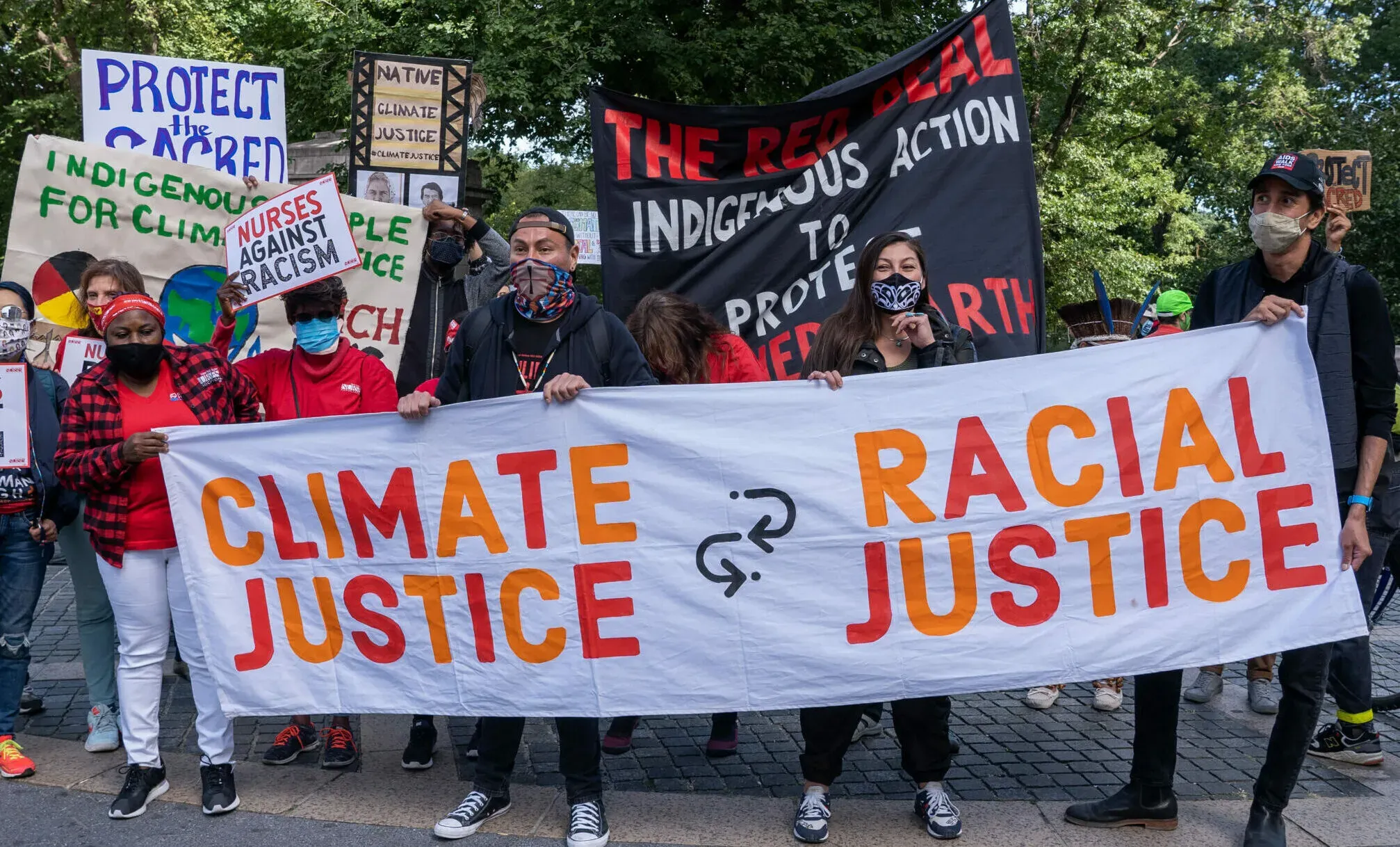
Climate justice is more than a catchphrase; it is a framework for designing policies, investments, and everyday decisions that ensure the burdens and benefits of the transition to a low-carbon economy are shared fairly. As societies pursue cleaner energy, lower emissions, and resilience to a changing climate, the question is not only how fast we decarbonize, but who benefits and who bears the costs. It asks us to center communities that have historically faced the greatest environmental and economic harms, from frontline neighborhoods with dirty air to workers in regions dependent on fossil fuels. A fair transition means building a future where people have secure livelihoods, healthy environments, and real agency in how their communities adapt to climate pressures. This long-term, people-centered approach is essential if climate action is to be legitimate, durable, and widely supported.
Beyond the explicit label climate justice, the same aim is described as equitable climate action that spreads opportunity while reducing risk for the most exposed communities. This broader view uses terms like a just energy transition, resilient green growth, and environmental justice to capture connected ideas about fairness, health, and opportunity. This approach prioritizes low-emission pathways, local ownership of renewables, retraining for new jobs, and policies that keep energy affordable during the shift. Ultimately, it seeks to align environmental gains with social well-being, ensuring communities are consulted, benefits are tangible, and public health improves alongside climate performance.
Climate Justice in Practice: Advancing a Just Energy Transition and Environmental Equity
Climate justice in practice connects environmental stewardship with social equity, recognizing that the burdens of climate action can reproduce existing inequities if frontline communities are not centered. As emissions decline, policy design should prioritize clean air, affordable energy, and inclusive decision-making, ensuring that low-income households, Indigenous communities, and people of color benefit from the transition rather than bear the costs. A people-centered approach translates climate policy into tangible gains, with healthier neighborhoods, real agency in investments, and pathways to sustainable jobs within a fair transition framework.
To realize these aims, investments must be community-led and regionally tailored. Environmental equity means avoiding the clustering of polluting facilities in vulnerable neighborhoods and expanding access to renewable energy options, clean public transit, and energy-efficient housing. Retraining programs and local hiring commitments turn environmental benefits into durable livelihoods, while transparent governance and accountability measures ensure progress is felt locally and equitably as part of a just energy transition.
Policy and Practice: Building a Fair Transition through Climate Policy and Sustainable Jobs
Realizing a fair transition requires climate policy that anticipates disruption and protects households. This means deliberate financing for frontline communities, social safeguards for workers, and time-bound upskilling opportunities that respect regional needs. When policy design centers people through inclusive governance and clear equity targets, sustainable jobs in renewable installation, energy efficiency retrofits, and grid modernization become the norm rather than the exception.
Operationalizing the transition also means transparent reporting on job creation, community benefits, and energy affordability. Blended finance, public subsidies, and price protections help prevent energy poverty while guiding investment toward a just energy transition. By aligning climate policy with local economies, governments, unions, and businesses can deliver environmental and economic gains—turning climate action into sustainable jobs and resilient communities.
Frequently Asked Questions
What does climate justice mean in practice, and how does a fair transition benefit communities and workers?
Climate justice links environmental protection with social equity. It ensures frontline communities and workers who have borne the costs of pollution and fossil fuels share the benefits of a cleaner economy—through cleaner air, affordable energy, and meaningful participation in decision-making. A fair transition (the just energy transition) uses retraining, sustainable jobs in new sectors, and targeted supports to align climate policy with people’s needs and local realities.
How can climate policy advance environmental equity and support a just energy transition?
Climate policy should center climate justice by including affected communities in design, implementation, and oversight. It should allocate funding to frontline areas, establish safeguards for workers, and measure progress with equity metrics. By promoting sustainable jobs, local energy ownership, and affordable energy, climate policy can accelerate a just energy transition while reducing emissions and health disparities.
| Section | Key Points | Notes / Examples |
|---|---|---|
| Introduction | Climate justice frames policy, investments, and daily choices to share the burdens and benefits of the low‑carbon transition; centers frontline communities; emphasizes a long‑term, people‑centered approach. | From the intro: fairness, equity, legitimacy of climate action; focus on who benefits and who bears costs. |
| 1) What Climate Justice Means in Practice | Links environmental stewardship with social equity; centers vulnerable groups; proactive measures (clean air/water, safe housing, affordable energy) and inclusive decision‑making; representation in planning; remedies (retraining, financial support, community‑led projects). | Empowers communities; acknowledges historical responsibility; supports meaningful participation. |
| 2) The Fair Transition: Why It Matters | Practical mechanism to achieve climate justice; ensures pathways to sustainable, well‑paid employment; supports diversification; avoids economic disruption; includes retraining, good jobs, diversification, and energy affordability. | Prevents job losses, energy insecurity; supports regional needs and timelines. |
| 3) Just Energy Transition: Pathways to Impact | Blueprint for moving from fossil fuels to clean power with equity at every step; roles for governments, businesses, unions, civil society, and communities; local ownership/participation; retraining aligned with market realities; energy efficiency; just pricing; transparency and accountability. | Examples include community solar and local ownership; measurable outcomes in jobs and community benefits. |
| 4) Environmental Equity: Centering Health and Justice | Disparities in health outcomes linked to siting of polluting facilities, heat exposure, and access to green spaces; invest in urban greening, high‑efficiency housing, clean transit, and decentralized energy to reduce disparities and create local jobs. | Avoids repeating past injustices; aims for healthier communities and equitable access to clean energy. |
| 5) Climate Policy as a Tool for Equity | Inclusive governance, adequate financing (public funds, blended finance, grants), robust safeguards, and clear metrics to monitor equity outcomes. | Prioritizes frontline communities in funding and decision‑making; accountability through indicators. |
| 6) Case Studies and Practical Examples | Community solar initiatives, transition agreements with severance and retraining, energy efficiency retrofits; rural/Indigenous microgrids; measurable benefits include lower bills and stronger livelihoods. | Real‑world validation of climate justice principles. |
| 7) How Individuals and Organizations Can Contribute | Individuals: reduce carbon footprint, advocate for equitable policies, support fair transition practices; Organizations: principled procurement, inclusive workforce development, local beneficiary projects; Policymakers: accessible programs; Civil society: monitoring and accountability. | Shows a multi‑level, collaborative approach to action. |
| Conclusion | Climate justice synthesizes environmental action with social equity; a fair transition builds resilient economies, healthy communities, and public trust in climate policy. | Key takeaway: equity, inclusion, and local benefits are essential to durable climate action. |
Summary
Climate justice is a comprehensive approach to environmental action that links a healthy planet with social equity. A just energy transition and inclusive policymaking ensure that frontline communities reap the benefits of cleaner energy, safer air, and resilient livelihoods while bearing fewer burdens. By centering environmental equity, investing in fair transition measures, and promoting transparent governance, Climate justice guides how policies, investments, and everyday decisions can deliver durable, legitimate progress. This descriptive view highlights how affordable energy, strong health protections, local job creation, and community empowerment become integral to climate policy. The result is a more resilient economy and healthier environments where all people can participate in shaping their futures.

