
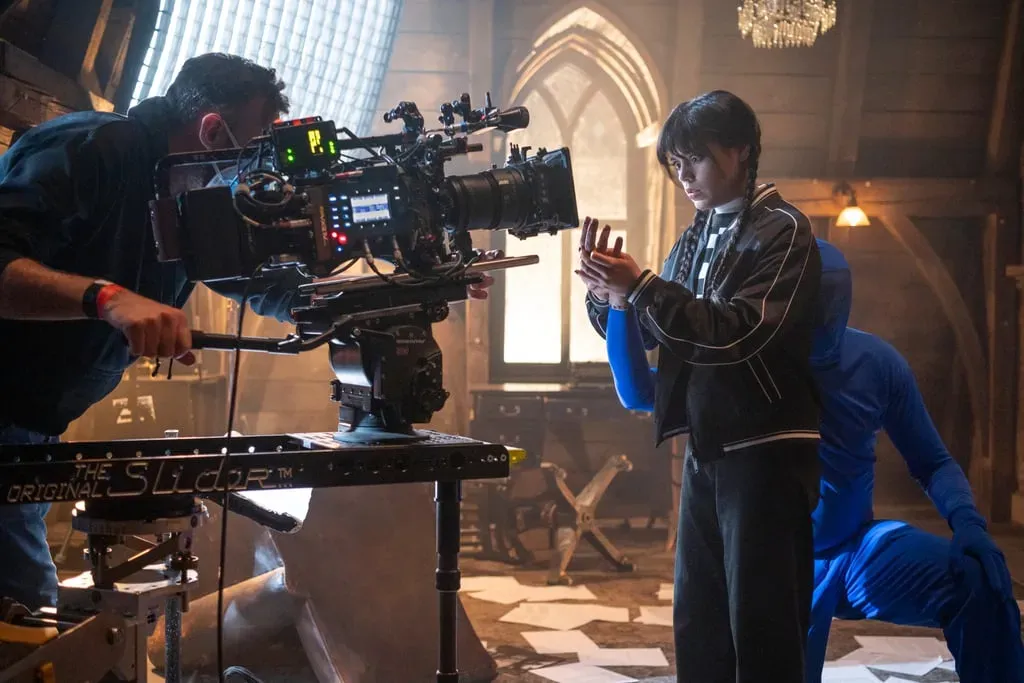
Behind the Scenes of Entertainment is more than glitz and glamour; it’s the intricate, behind-the-camera work that turns scripts into screens, coordinating countless decisions from creative intent to logistical detail and revealing how teams turn ideas into tangible scenes. From the first spark of an idea to the final frame that lands in theaters or on streaming services, the journey of movies, TV shows, and games hinges on meticulous planning, cross-disciplinary collaboration, and the ability to adapt to budget, schedule, and audience expectations. This article threads together how movies are made, how TV shows are made, and the game development process, while also weaving in the film production process and the television production process as part of a shared production pipeline. By pulling back the curtain on roles, schedules, and technology, you’ll see why some productions flow like clockwork, how crews negotiate creative tension, and how tools—from cameras and lighting to motion capture and digital editing—shape what ends up on screen or in your hands. Whether you’re a casual viewer or a curious creator, the behind-the-scenes work reveals the craft and collaboration that turn ideas into immersive experiences, whether through a cinematic release, a bingeable TV arc, or an interactive world you can explore.
Beyond the glamour lies a backstage production pipeline, where ideas are sketched in pre-production, moments are shot in production, and details are polished in post-production. This hidden workflow blends storytelling craft with technical know-how—art direction, storyboarding, casting, location scouting, set construction, and digital effects—so audiences experience a seamless, immersive result. In keeping with Latent Semantic Indexing principles, related concepts like scheduling, budgeting, performance capture, game engines, and distribution connect the core idea of how media is built across film, television, and games.
Behind the Scenes of Entertainment: A Journey Through Pre-production, Production, and Post-production
Behind the Scenes of Entertainment isn’t flashy; it’s the meticulous choreography of ideas becoming scenes. In pre-production, writers, designers, and producers map out the story, visual language, and budget, while producers sketch a feasible schedule. This is the ground where you start to understand how movies are made and how TV shows are made, by aligning tone, length, and scope before a single frame is shot. The same careful planning frames the film production process and the television production process, ensuring that both feature films and serialized stories have a strong spine, a clear look, and a realistic path to completion.
Production is where plans take breath. Directors choreograph performances; cinematographers light, frame, and move the camera; and crews coordinate locations, props, and schedules under safety standards. The craft of cinema shares a heartbeat with game development process: motion capture, voice work, and performance capture echo on-set acting, while still demanding the same discipline around continuity, coverage, and schedule discipline. In this phase, the pipeline tests ideas against reality, showing how the production pipeline keeps moving even when locations change, weather shifts, or creative ideas shift.
From Script to Screen: How Movies Are Made, How TV Shows Are Made, and the Game Development Process
From post-production to delivery, audiences experience the final flavor of the project. Post-production is the stage where editors sculpt pacing and sound, color grades seal mood, and effects integrate with live action, shaping how movies are made, how TV shows are made in their final form. In games, the game development process continues in-engine with cutscenes, performance capture, and real-time rendering that blend storytelling with interactivity.
Distribution, localization, and QA govern the journey from screen to audience. The film production process, television production process, and game development process each demand platform-specific adaptations, subtitles, audio localization, and accessibility testing. The end result is a unified pipeline where teams collaborate across disciplines to deliver a coherent experience, whether on the big screen, a living room screen, or a console, keeping the promise of quality that the audience expects and rewards.
Frequently Asked Questions
Behind the Scenes of Entertainment: What is it, and how do the pre-production, production, and post-production stages shape how movies are made?
Behind the Scenes of Entertainment covers the journey from concept to final frame. In pre-production, writers, directors, producers, and designers plan the script, look, budget, and schedule—laying the groundwork for how movies are made. During production, cameras roll, sets come together, and performances are captured, following the film production process. In post-production, editors, VFX, sound, and color finalize the material, delivering the finished product for theaters or streaming.
In the Behind the Scenes of Entertainment, how does the TV production process differ from the game development process, and how do terms like ‘how TV shows are made’ and ‘how games are developed’ capture their distinct paths?
Both follow a common framework—pre-production, production, and post-production—but their goals diverge. The television production process emphasizes serialized storytelling, episode pacing, and showrunning to deliver new installments on a schedule (highlighting how TV shows are made). The game development process is iterative and engine-driven, focusing on gameplay systems, player agency, and real-time feedback (highlighting how games are developed). In practice, pre-production defines scripts and design, production captures performances or gameplay, and post-production handles editing, VFX, sound, and localization to create a TV series or a playable game.
| Aspect | What it Covers | Key Takeaways / Examples |
|---|---|---|
| Pre-production | Turning ideas into a workable plan. This phase includes script development, design, budgeting, scheduling, casting, location planning, and tech planning for cameras, engines, and workflows. | – Script and story development: multiple drafts and structure across film, TV, or games – Creative design and references: mood boards, lookbooks, color palettes – Scheduling and budgeting: department budgets, risk analysis, post-production capacity – Casting and talent: auditions, chemistry reads, performance capture in games – Location and logistics: location scouting, permits, multi-city coordination – Technology planning: camera gear, motion capture, game engines (Unreal/Unity) – Outcome: foundational work that shapes how movies, TV, and games are made. |
| Production | Bringing the plan to life through filming, performance capture, sets, and on-set coordination. | – Filming and capture: camera movement, lighting, sound – Set design and practical effects: physical sets and makeup or prosthetics – VFX planning alongside shooting: early visualization of post effects – Performance and direction: pacing, tone, and actor direction across media – Production logistics: safety, continuity, scheduling, equipment management – Outcome: the tangible realization of the concept with coordinated teamwork. |
| Post-production | Editing, design, and finishing to produce the final cut, sound, visuals, and delivery. | – Editorial and assembly: pacing, performance sculpting, multiple versions – Visual effects and animation: integrating digital elements or real-time engine work – Sound design and music: ambience, dialogue, foley, scoring – Color correction and finishing: mood, continuity, unified look – Quality control and delivery: format specifications for theaters, streaming, broadcast, or game platforms – Outcome: a polished product ready for distribution. |
| Shared DNA of Movies, TV, and Games | Across all media, the same core workflow—pre-production, production, post-production—drives the craft, with unique constraints per medium. | – Movies: standalone narrative with cinematic scope and longer development – TV: serialized storytelling across episodes and seasons – Games: interactive experiences with player agency and iterative development – Common thread: collaboration among writers, directors, designers, editors, VFX, sound, and engineers to create cohesive experiences. |
| Technology & Trends | Recent advances shaping behind-the-scenes work across media. | – Virtual production and LED volumes for real-time visualization – Real-time game engines (Unreal, Unity) for previs and sometimes final output – Motion capture and performance capture for lifelike characters – AI-assisted workflows in editing, color, and audio – Localization and accessibility to reach global audiences – Outcome: tools that accelerate iteration, enhance realism, and broaden audience reach. |
| Careers & Collaboration | The people who make the magic—often behind the curtain. | – Producers, line producers, directors, showrunners – Writers and game designers – Cinematographers, editors, colorists – SFX, VFX, animators – Sound designers and composers – Localization and QA specialists – Outcome: a multidisciplinary network whose coordination turns ideas into immersive experiences. |
Summary
Behind the Scenes of Entertainment reveals how a concept evolves through pre-production, production, and post-production to become the movies, TV shows, and games audiences love. The journey begins with planning and design, moves through on-set creation, and culminates in finishing touches like editing, sound, color, and delivery. Although movies, TV, and games have distinct constraints—cinematic scope, serialized pacing, and interactive gameplay—they share a common pipeline and a collaborative culture that blends storytelling with technology. Advancements such as virtual production, real-time engines, motion capture, AI-assisted workflows, and localization continue to reshape the craft, enabling faster iteration and more immersive experiences. The people behind the curtain—from writers and directors to editors, VFX teams, and sound designers—are the backbone of every successful entertainment project, and their coordinated effort translates imagination into the screens and experiences we enjoy.

