
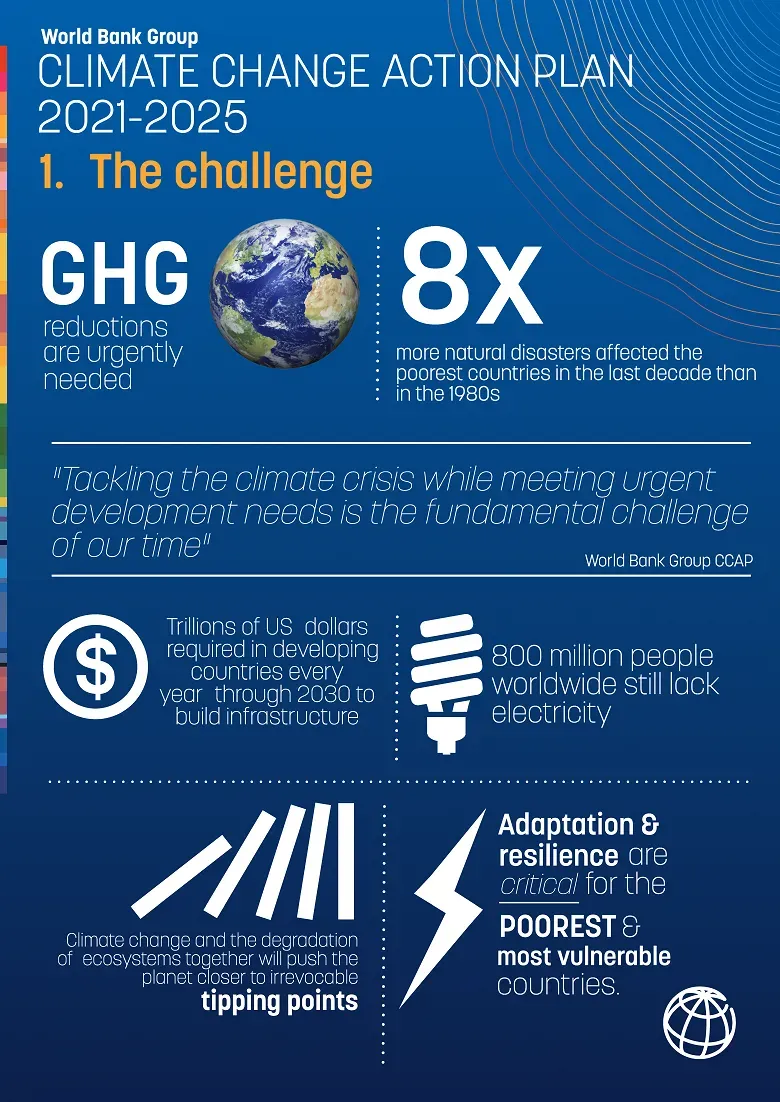
Climate Action in 2025 is reshaping everyday choices into practical, high-impact steps that families and neighborhoods can take today. From practical steps for individuals climate action to simple changes in routines, small actions compound into broad environmental benefits. Cities and towns are empowering citizens through programs that highlight local leaders climate action 2025 and create measurable progress. Households energy tips 2025 and carbon reduction strategies 2025 guide households toward efficiency, cleaner transport, and smarter consumption. Community actions for climate action 2025 illustrate how neighbors, schools, and workplaces collaborate to accelerate results for a healthier planet.
Climate Action in 2025: Practical Steps for Individuals and Local Leaders
As Climate Action in 2025 moves from concept to daily routine, individuals can translate concern into concrete habits that stack up over time. Practical steps for individuals climate action—such as improving home energy efficiency, choosing low-emission transportation, and adopting more plant-forward meals—create a foundation that scales when communities and local leaders respond with complementary policies and programs.
Local leaders climate action 2025 hinges on translating these personal choices into scalable change. By updating building codes, offering retrofitting incentives, and expanding safe mobility options, mayors and council members can turn private decisions into public momentum. When residents see clear signals, access, and support, community actions for climate action 2025 accelerate, amplifying the impact of individual efforts and opening pathways for broader investment in resilient infrastructure.
Together, these strands form a feedback loop: informed households adopt sustainable practices, local institutions reinforce them with policy and services, and communities measure progress to refine strategies. This synergy aligns the practical steps for individuals climate action with measurable outcomes, making 2025 a year of tangible, equitable climate progress.
Households Energy Tips 2025 and Carbon Reduction Strategies 2025: Turning Habits into Impact
Households energy tips 2025 emphasize practical, affordable actions that reduce bills while cutting emissions. Start with a professional home energy audit, then prioritize insulation, air sealing, and efficient heating and cooling. Smart controls—programmable thermostats and energy monitors—help households see when and where energy is used, enabling automatic adjustments that lower consumption without sacrificing comfort.
Building on these gains, carbon reduction strategies 2025 outline a broader approach that links daily routines to community-wide outcomes. Replacing short car trips with biking or transit, buying locally produced foods, and reducing waste through repair and reuse collectively lower emissions and drive demand for cleaner energy. When households adopt these strategies, community actions for climate action 2025 gain momentum, creating a ripple effect that informs local policy, business practices, and regional planning.
Frequently Asked Questions
What practical steps can individuals take for Climate Action in 2025 to reduce household emissions?
Climate Action in 2025 starts with practical steps for individuals climate action that turn concern into daily habits. Here are high-impact actions you can start now: • Home energy efficiency: upgrade insulation, seal drafts, install a programmable thermostat, replace old appliances with energy-saving models, and switch to LED lighting to lower household emissions. This aligns with households energy tips 2025. • Clean transportation: favor walking, cycling, public transit, or carpooling; consider a hybrid or electric vehicle if feasible; plan errands to minimize trips. • Smart consumption: eat more plant-forward meals, buy durable goods, repair instead of replace, and support brands with transparent environmental commitments. • Waste and water: recycle and compost; repair and reuse; install low-flow fixtures and fix leaks. • Digital footprint: manage data and subscriptions to reduce energy use. These steps, practiced widely, form the core of climate action in 2025 by turning intention into measurable reductions.
What role can local leaders play in Climate Action in 2025 to drive community actions for climate action 2025?
Local leadership is essential to scale individual actions into community-wide progress. Local leaders climate action 2025 can catalyze change by: • Aligning policy with action: update building codes, retrofit programs, and set ambitious energy targets; require solar readiness where feasible. • Incentivizing upgrades: offer home energy audits, insulation improvements, efficient appliances, and EV charging infrastructure. • Improving mobility and land use: expand safe walking and biking networks, optimize transit routes, and promote mixed-use development to shorten commutes. • Investing in green spaces and resilience: urban greening, water-smart landscaping, and climate-resilient infrastructure. • Engaging residents: host forums, school programs, and local campaigns that translate climate science into practical choices. When local leaders provide clear signals and support, community actions for climate action 2025 can scale quickly and equitably.
| Key Point | What This Means | Actions / Examples | Impact |
|---|---|---|---|
| Practical steps for individuals climate action | Translate concern into daily, repeatable habits that reduce emissions and save resources. | – Home energy efficiency: insulation, sealing, programmable thermostat, LED appliances; energy-efficient choices in appliances and lighting. – Clean transportation: walk/bike/public transit/carpool; consider hybrid/electric if feasible; plan errands to minimize trips. – Food/consumption: plant-forward meals, bulk buying, durable goods, repair instead of replace. – Waste and circularity: recycling, composting, secondhand items, repair. – Water/resource conservation: low-flow fixtures, fix leaks, eco-friendly products. – Digital footprint: organize files, reduce unnecessary mailings, prefer greener services. |
Small changes, when scaled across many people, create large environmental benefits. |
| Local leaders and community action | Leaders turn individual actions into community-wide progress by shaping policy, programs, and culture. | – Align policy with action: update codes, retrofit programs, target emissions, mandate solar readiness when feasible. – Incentivize upgrading: energy audits, insulation upgrades, efficient appliances, EV infrastructure. – Mobility/land use: safer walking/biking networks, optimized transit, mixed-use development. – Green spaces/resilience: urban greening, water-smart landscaping, climate-resilient infrastructure. – Engage/educate: forums, school programs, local media translating science into choices. |
Amplifies individual efforts into scalable, equitable outcomes and fosters coordinated action. |
| Household energy tips and carbon reduction strategies for 2025 | Bridge high-level goals to daily life with high-impact, affordable actions. | – Energy audits/upgrades: professional audits; prioritize insulation, air sealing, efficient heating/cooling. – Smart controls: programmable thermostats, energy monitors; automate demand reductions. – Transportation shifts: replace short trips with active transport where possible; consolidate trips; explore transit subsidies. – Food system adjustments: plant-forward meals, local produce, reduce waste. – Waste reduction/upcycling: repair, donate/resell, extend product life. |
Delivers tangible emission reductions and keeps households engaged through practical, repeatable steps. |
| Measuring progress and accountability | Track and verify progress to stay motivated and inform decisions. | – Energy use: compare monthly utility bills year over year; identify leaks/inefficiencies. – Transportation emissions: monitor miles driven vs. walked/cycled; use apps to log trips. – Waste/recycling: track waste diverted through recycling/composting. – Community impact: monitor air quality, green space, and urban planning outcomes; use open data dashboards. |
Maintains momentum and guides policy, programs, and personal actions with data-driven insights. |
| Barriers and how to overcome them | Anticipate and address common obstacles that slow progress. | – Financing/incentives: subsidies, low-interest loans, rebates to lower upfront costs. – Information access: trusted energy/audit resources and repair services. – Equity considerations: ensure renters, low-income, and marginalized communities have access. – Long-term orientation: maintain motivation through updates, success stories, and visible improvements. |
Identifies challenges and practical solutions that keep climate action attainable and inclusive. |
Summary
Table summarizes the core points of Climate Action in 2025: practical steps individuals can take, the role of local leaders and community action, household energy strategies, measurement and accountability, and barriers with solutions. The accompanying conclusion reinforces a descriptive, forward-looking view of Climate Action in 2025, emphasizing how coordinated actions at personal, local, and household levels can yield healthier communities, lower emissions, and resilient neighborhoods.

