
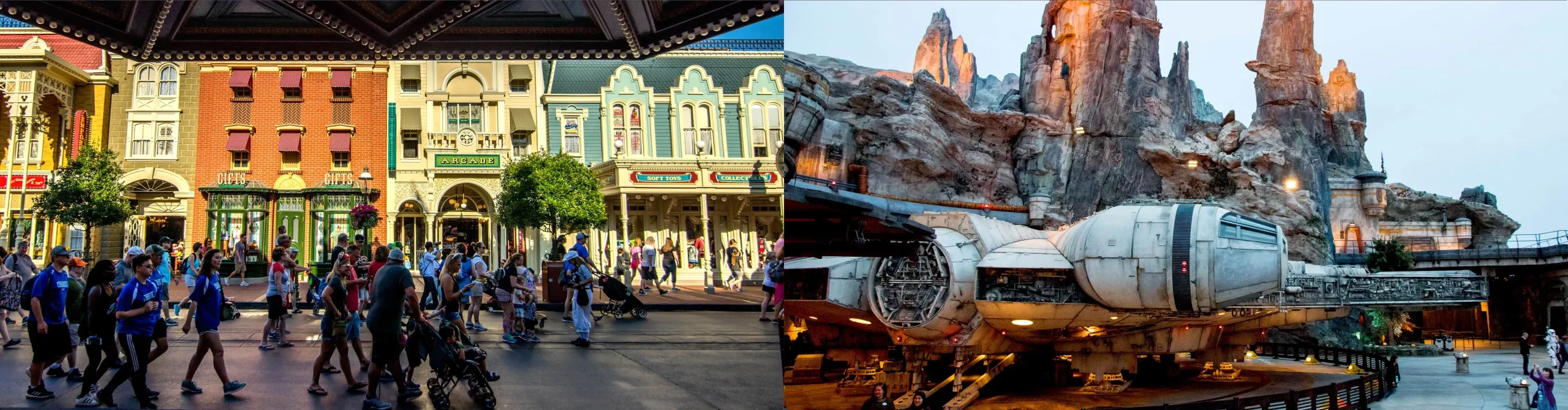
nostalgia vs innovation in entertainment sets the frame for how we interpret storytelling today, shaping our expectations as we move from traditional broadcasting to streaming, from passive viewing to interactive possibilities, and from single-screen experiences to cross-platform participation, a shift that also affects how studios plan franchises, expand universes across media, and design fan engagement strategies. Audiences are drawn to nostalgia in entertainment when familiar characters, iconic settings, and shared cultural touchstones offer a fast track to memory and belonging, guiding conversations across generations and helping communities rebuild meaning around beloved franchises, with the appeal echoing into music, advertising, and live experiences where familiarity becomes a gateway to curiosity about new formats. Yet innovation in entertainment technology, including streaming tech advancements, immersive audio, AI-assisted production, and adaptive interfaces, pushes the boundaries of what stories can be and how they can be consumed, enabling risk-taking in narrative form, modular releases, and more personalized audience journeys, while these advances raise questions about accessibility, licensing, and the economics of distribution windows that couple classic storytelling with rapid experimentation. When old favorites meet new tech, the result is not simply a remix but a layered experience that preserves emotional resonance while updating visuals, pacing, accessibility, and interactivity for diverse audiences across devices, languages, and bandwidth realities, and this tension makes it essential for creators to weigh nostalgia’s safety net against the risk of redundancy or misinterpretation. This dynamic, sometimes described as retro vs modern entertainment, reframes the conversation around sustainability, reach, and creative risk, reminding us that nostalgia can amplify impact even as innovation expands what is possible through smarter distribution, smarter production pipelines, and new modes of audience participation, ultimately encouraging a culture where memory fuels curiosity about what comes next.
Beyond this direct comparison, the topic invites reframing in terms like heritage media, enduring franchises, and progressive production techniques. Alternative phrasing highlights how familiar worlds are revived with contemporary tools, preserving the soul of the story while updating visuals, pacing, accessibility, and audience interfaces. LSI-friendly terms such as classic IP revival, streaming evolution, immersive sound, interactive formats, and adaptive storytelling help connect related ideas like remasters, remakes, and fan-driven content. This framing supports SEO by clustering semantically related concepts and guiding readers toward a holistic understanding of how memory and technology co-create entertainment.
nostalgia vs innovation in entertainment: blending old favorites with cutting-edge tech
Nostalgia in entertainment acts as a bridge between memory and modern media, inviting audiences to revisit familiar worlds with a fresh lens. When studios lean into nostalgia, they don’t simply reproduce past successes; they reimagine them through contemporary aesthetics, updated pacing, and accessible formats that resonate with today’s viewers. This is where old favorites meet new tech in a way that feels intentional rather than opportunistic, balancing retro sensibilities with the energy of current production pipelines. The interplay between comfort and risk-taking helps explain why retro vs modern entertainment remains a live conversation for fans and creators alike.
As the conversation unfolds, streaming tech advancements make it easier to surface beloved titles alongside new releases, creating a continuum rather than a hierarchy. Nostalgia in entertainment benefits from remasters with enhanced color grading and immersive sound, while innovative approaches—such as streaming-first releases or interactive episodic formats—invite new engagement. In this lens, the idea that old favorites meet new tech is not just a gimmick; it’s a strategic approach to expand reach, deepen emotional resonance, and extend a franchise’s relevance across generations.
nostalgia vs innovation in entertainment: how retro meets modern storytelling through tech
In practice, the dialogue between nostalgia and innovation centers on how technology amplifies timeless narrative strengths. Classic character dynamics, world-building foundations, and thematic arcs can be preserved while surface elements like visuals, pacing, and accessibility are upgraded—allowing audiences to experience familiar stories through contemporary sensibilities. This fusion often leverages the best of both worlds: the warmth of nostalgia and the precision of modern production workflows, underscored by streaming platforms that optimize discovery and engagement.
Discerning creators use modern tech to honor legacy while pushing the bounds of storytelling. Practically, this means leveraging advancements in streaming codecs, AI-assisted color grading, and immersive audio to deliver a tactile, high-fidelity experience without sacrificing the pace and charm that fans love. The result is content that feels both retro and relevant, inviting longtime fans to reconnect and new viewers to encounter a world that is simultaneously recognizable and surprising.
the leap forward: innovation in entertainment technology driving new experiences
Innovation in entertainment technology reshapes how stories are told and consumed, elevating the sensory and cognitive impact of media. Streaming tech advancements have redefined narrative pacing, personalized recommendations, and audience reach, enabling binge patterns that align with the rhythm of a story while giving viewers control over timing. Immersive audio formats like Dolby Atmos and advanced visual pipelines push the boundaries of immersion, turning scenes into multi-dimensional experiences that were not possible a decade ago.
Beyond the screen, AI-assisted workflows, real-time rendering, and virtual production workflows democratize creation, allowing independent teams to achieve studio-level polish. This broad accessibility expands the spectrum of voices and genres, while cross-platform distribution and interactive formats invite audience participation and agency. As innovation in entertainment technology accelerates, audiences benefit from higher fidelity and richer engagement, while creators gain new tools to tell ambitious stories more efficiently.
the leap forward: how innovation in entertainment technology drives new experiences
In practice, the ongoing evolution of streaming tech advancements enables more dynamic and personalized viewing journeys. Viewers encounter adaptive streaming that maintains high quality on varying bandwidth, while data-informed creative decisions help shape pacing and structure. Immersive audio and HDR visuals deepen emotional impact, making scenes feel more present and consequential, whether the experience is a film, a series, or a game that blends narrative and interactivity.
As audiences expect greater interactivity, interactive platforms and AI-assisted tools support new forms of storytelling—branching narratives, user-influenced outcomes, and real-time content customization. This shift not only broadens what entertainment can be but also who gets to create it, empowering independent creators to produce ambitious projects with accessible infrastructure. The result is a media landscape where innovation in entertainment technology continuously expands the horizon of what audiences can experience and influence.
Frequently Asked Questions
How can nostalgia in entertainment balance with innovation in entertainment technology to create successful remakes and reboots?
Balance starts with honoring core characters, worlds, and emotional beats while updating visuals, pacing, and accessibility. Remasters and reboots should preserve the original’s spirit and audience memory, using modern color grading, sound design, and streaming-first release strategies to maximize visibility and impact. AI-assisted workflows and immersive audio (e.g., Dolby Atmos) help attract both longtime fans and new viewers, expanding reach without losing the story’s heartbeat.
In what ways do old favorites meet new tech, and how do streaming tech advancements influence retro vs modern entertainment experiences?
Old favorites meet new tech when classic titles are enhanced with modern color grading, immersive audio, and streaming-ready releases, while new productions echo beloved archetypes using current production capabilities. Streaming tech advancements—adaptive streaming, personalized recommendations, and flexible episode formats—shape how audiences discover and experience retro vs modern entertainment, enabling cross-generational reach and more diverse storytelling formats.
| Theme | Key Points | Supporting Details / Examples | Implications |
|---|---|---|---|
| The Heritage Engine: Nostalgia as a Growth Lever | Nostalgia creates emotional resonance across generations; it’s more than copying old plots; reboots/sequels update for today; modern workflows and streaming-first releases are used to maximize visibility. | Old favorites carry cultural resonance; reinterpretation through contemporary lenses; retro aesthetics can coexist with digital enhancements. | Expands universality, extends franchise lifespans, monetizes legacy IP. |
| The Leap Forward: Innovation Driving New Experiences | Tech enables new storytelling: streaming tech, compression, adaptive streaming; immersive audio (HDR/HFR); AI-assisted workflows; real-time rendering; interactive media. | Lower barriers for indie creators; richer experiences; more flexible formats and delivery models. | Expands narrative possibilities; raises audience expectations; creates new revenue streams. |
| When Old Favorites Meet New Tech: Blending Nostalgia with Modern Capabilities | Fusion projects that combine nostalgia with contemporary tech; remasters that preserve cadence while upgrading visuals/sound; reimagining formats; virtual production and LED stage tech; cross-platform play. | Preserves emotional core while updating surface elements; anthologies and remakes that feel timely. | Broadens reach to younger audiences; elevates production value; sustains engagement with familiar worlds. |
| The Consumer Experience: Accessibility, Fidelity, and Engagement | Personalized discovery; accessibility features (captions, audio descriptions); QoS improvements; fan communities and collaboration. | Streaming surfaces nostalgia and new releases; online communities keep old titles alive; inclusive design supports diverse audiences. | Deeper engagement; broader, more diverse audiences; healthier media ecosystems. |
| The Business and Creative Risks: Why Not Every Nostalgic Project Succeeds | Nostalgia fatigue, market saturation, and risk of shallow execution; licensing/rights challenges; need for clear creative rationale and disciplined production. | Balance old vs new; careful valuation of audience appetite; budgeting and rights strategies. | Strategic risk management; higher likelihood of success when nostalgia is paired with strong execution. |
| The Future Trajectory: Convergence of Nostalgia, Innovation, and Audience Agency | Ongoing evolution with interactive storytelling, AR experiences, AI-assisted tools; hybrid release models; audience co-creation; copyright transparency; equitable access. | Cross-platform formats; dynamic and participatory storytelling; clear rights frameworks; inclusive access. | Enduring projects that honor the past while inviting co-creation; expanded audience participation and new revenue models. |
Summary
nostalgia vs innovation in entertainment is a dynamic tension shaping how audiences watch, listen, and participate in stories. This balance blends emotional memory with cutting-edge capabilities to create experiences that feel both familiar and exhilarating. When studios honor the past while embracing new technology, they broaden reach, deepen engagement, and unlock new avenues for creativity and revenue. Ultimately, nostalgia vs innovation in entertainment is not a contest but a continuum where memory and possibility co-create a richer cultural landscape.

