
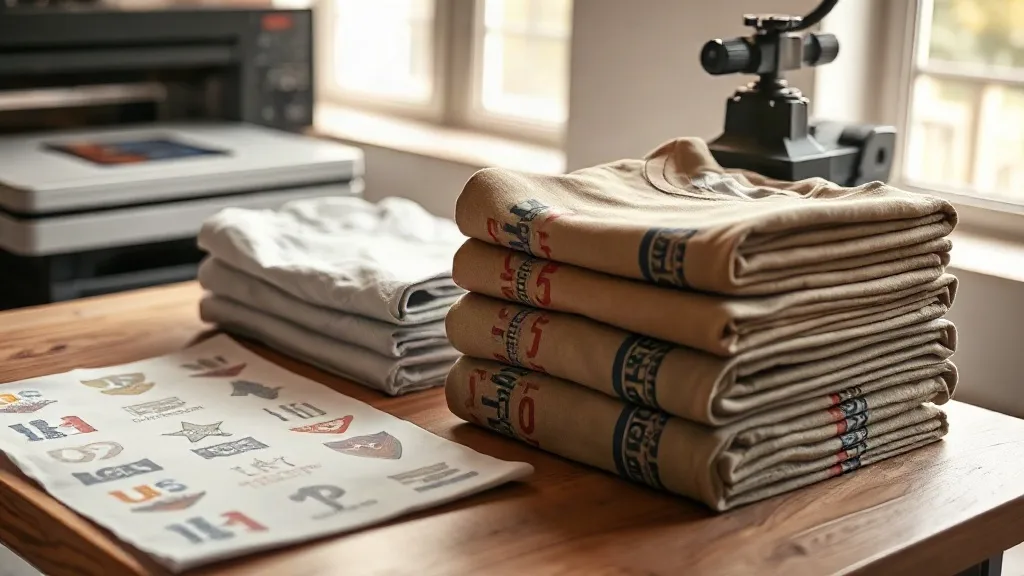
Most people who get into custom apparel obsess over the artwork first. Fair enough, since the design is what people see. But anyone who has pulled a fresh transfer off a shirt after a week of wear knows the blank decides whether that print looks premium or cheap. This is where shaka wear earns its reputation among small print shops and side-hustle sellers alike: it gives you a dependable, heavyweight canvas without the boutique price tag that eats into your margin.
Pair those blanks with a smart gang sheet workflow and you get something rare in this business: consistent output that still turns a profit on a five-shirt order. Below, we break down what makes these blanks a solid choice for DTF work, and how the DTF Gangsheet Builder fits into a print setup that does not waste film or patience.
Why the Blank Matters More Than Most Beginners Think
DTF transfers are forgiving in a lot of ways. They bond to cotton, poly blends, and most fabrics in between. But forgiving does not mean foolproof. A thin, loosely knit tee will show every wrinkle through the print, and the adhesive can pull at the fibers after a few washes. A heavyweight, tightly woven garment gives the transfer a flat, stable surface to sit on, and the result is a print that stays sharp instead of cracking at the edges.
This is the practical reason so many DTF sellers gravitate toward shaka wear. The fabric weight sits in that comfortable middle range where it feels substantial in hand but still drapes naturally. When you press a transfer onto it, you get clean adhesion without having to fight the garment or crank the heat so high that you risk scorching the fabric.
What to Look for in a DTF-Friendly Blank
- Fabric weight: Anything in the 5 to 7 oz range tends to hold a transfer well without feeling like cardboard.
- Weave tightness: A tighter knit means fewer gaps for the adhesive to sink into, which helps the print stay crisp.
- Color consistency: Batch-to-batch color matching matters when you are printing for repeat customers.
- Shrinkage behavior: Pre-shrunk or low-shrink blanks keep the print from distorting after the first wash.
These are the kinds of details you only appreciate after you have sold a batch of shirts and gotten feedback. It is also why experienced sellers tend to stick with the same supplier once they find a blank that behaves predictably under heat and pressure.
What Makes Shaka Wear a Practical Choice
The appeal is not about branding hype. It is about reliability at scale. When you are running a small operation, whether that is a print shop or a one-person brand selling through social media, you cannot afford surprises. A blank that varies in sizing or shrinks unevenly turns a simple order into a customer service headache.
shaka wear blanks are built with that reality in mind. They come in a range of cuts and colors that suit streetwear, workwear, and everyday casual designs. The heavyweight options in particular are a natural fit for DTF because the fabric gives the transfer a solid base. If you are printing bold, full-color graphics with fine detail, that stability is not a luxury, it is a requirement.
There is also the practical matter of cost. Premium blanks with boutique branding can push your per-unit cost high enough that a small order stops making sense. With a blank like this, you can price competitively and still keep a healthy margin, which matters more than ever when you are building a customer base from scratch.
Where These Blanks Fit Best
You will see them most often in streetwear drops, team and event apparel, and small-batch brand launches. They also work well for promotional runs where the client wants something that feels better than a standard giveaway tee. The key is matching the blank weight to the design and the audience. A heavy blank with a bold graphic reads as premium. The same blank with a delicate line-art print can feel off, so think about how the design and the fabric work together before you commit to a full run.
Enter the DTF Gangsheet Builder: A Smarter Way to Print
Once you have settled on your blanks, the next bottleneck is usually the print file itself. Anyone who has manually arranged designs in a graphics editor to fill a film sheet knows the pain: wasted space, clipped edges, and a lot of guesswork about how many copies actually fit. The DTF Gangsheet Builder solves that specific problem by letting you lay out multiple designs on a single sheet with a visual interface that shows you exactly how much film you are using.
The benefit is straightforward. Film is one of your recurring costs, and every inch you waste is money out the door. A builder that automatically packs your designs onto the sheet helps you fit more per run, which lowers your per-print cost and lets you take on smaller orders without losing money on setup.
How the Workflow Actually Looks
- Upload your artwork: Drop in the designs you want to print, whether that is a single logo or a mix of graphics for different customers.
- Arrange on the sheet: The builder lets you position and resize designs so you can see how they fit on the film.
- Check the layout: Before you commit, you get a visual preview of the sheet, so there is no guessing about spacing or waste.
- Send to print: Once the sheet is set, you export and print, then press onto your blanks as usual.
That might sound simple, and in practice it is. The point is not complexity, it is removing the tedious manual step that eats up time and creates mistakes. When you are running multiple small orders in a week, that saved time adds up fast.
Pairing the Two for a Cleaner Operation
Here is where the two pieces come together. A reliable blank gives you a consistent surface for the print, and a well-organized gang sheet gives you a consistent print at a lower cost. When both are dialed in, you can take on the kind of orders that used to feel like more trouble than they were worth: five shirts for a local team, ten for a small brand drop, twenty for a pop-up event.
That flexibility is what separates a hobby from a business. If your setup only works for large runs, you miss out on the steady stream of smaller orders that build a customer base. If your blanks are inconsistent, you lose the repeat customers those orders would have brought in.
A Few Practical Pointers
- Press a test shirt from each new batch of blanks before you print a full order. Fabric behavior can shift slightly between batches.
- Keep your gang sheets organized by order or customer so you are not scrambling to match prints to invoices.
- Store finished transfers flat and away from moisture, since DTF film is sensitive to humidity.
- Track your film usage per order. Once you see the numbers, the value of an efficient gang sheet becomes obvious.
Questions Printers Ask Before Committing
Do shaka wear blanks work with DTF transfers?
Yes. Their cotton and cotton-blend garments are a good match for DTF, especially the heavier weights, which give the transfer a stable surface. As with any blank, a quick test press is worth doing before a full run.
Can I use the DTF Gangsheet Builder for small orders?
That is exactly where it shines. Small orders are where film waste hurts most, so packing multiple designs onto one sheet lets you keep per-unit costs reasonable even when you are only printing a handful of items.
How much film can I realistically save with a gang sheet?
It depends on how you lay out your designs, but the general rule is that deliberate arrangement always beats manual guesswork. The visual preview helps you spot gaps and tighten the layout before you print.
What should I check on a blank before pressing a transfer?
Look at the weave, the weight, and whether the fabric has been pre-shrunk. A tight, stable weave gives you the cleanest adhesion, and pre-shrunk fabric keeps the print from distorting after washing.
Is this setup suitable for a beginner?
Yes, and that is part of the appeal. A dependable blank and a straightforward gang sheet builder remove two of the biggest early obstacles: inconsistent garments and wasted film. Start with a small run, learn how your press behaves, and scale from there.