
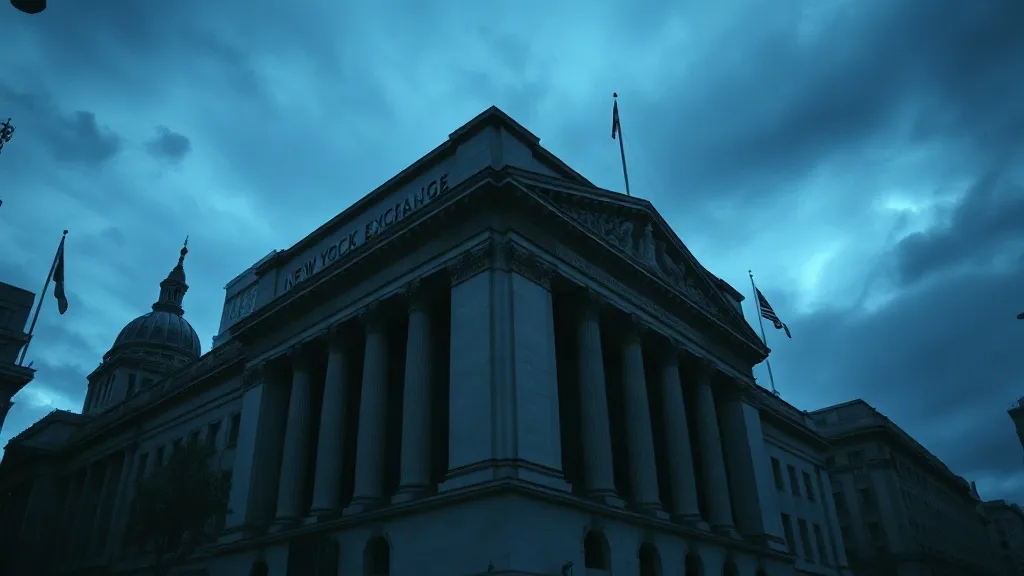
As the 2024 election season heats up, Wall Street is quietly recalibrating its expectations. The possibility of a Democratic sweep—retaining the White House and capturing both chambers of Congress—has sent ripples through boardrooms and trading floors. While markets often thrive under divided government, a unified Democratic agenda could bring a wave of regulatory scrutiny not seen since the aftermath of the 2008 financial crisis. For an industry accustomed to deregulation and light-touch oversight, the prospect of a Blue Wave raises uncomfortable questions about investigations, enforcement actions, and the cost of compliance.
The Return of Aggressive Oversight
During the Trump administration, Wall Street enjoyed a period of relaxed enforcement. The Department of Justice (DOJ) under Attorney General William Barr signaled a more business-friendly approach, and regulatory agencies like the SEC and CFTC adopted a lighter regulatory touch. But a Democratic Congress could change that dynamic swiftly. With control of both the House and Senate, Democrats would have the power to push through sweeping legislation and, crucially, to oversee the executive branch's enforcement priorities.
Already, Democratic lawmakers have signaled their intent. In recent months, progressive senators have called for investigations into everything from bank overdraft fees to private equity's role in the housing market. A Blue Wave would amplify those calls, potentially pressuring the DOJ to pursue cases that were previously sidelined. As one former DOJ official put it, "The pendulum swings. After years of deregulation, the appetite for accountability is building."
Key Areas of Focus
So where would a Democratic Congress and a re-energized DOJ concentrate their efforts? Several areas stand out:
- Antitrust Enforcement: Big Tech and large financial institutions could face renewed scrutiny. Democrats have been vocal about breaking up monopolies and curbing corporate power, and a Blue Wave might embolden regulators to challenge mergers and acquisitions more aggressively.
- White-Collar Crime: The DOJ under Democratic leadership is likely to prioritize prosecuting individuals, not just corporations, for financial misconduct. This could mean more charges against executives and a push for tougher penalties.
- Consumer Protection: The Consumer Financial Protection Bureau (CFPB) would likely see its powers restored and expanded, targeting predatory lending, hidden fees, and other practices that harm consumers.
- Climate Risk Disclosure: With Democrats in control, the SEC could finalize rules requiring companies to disclose climate-related risks, a move that has been fiercely opposed by many in the financial industry.
Wall Street's Response
Wall Street is already preparing. Law firms and compliance departments are ramping up hiring, anticipating a surge in investigations and enforcement actions. "We're advising clients to conduct internal reviews now," says a partner at a major New York law firm. "It's better to identify and remediate issues before the government comes knocking."
Some banks are also reassessing their political spending. In the 2020 cycle, financial services firms donated heavily to Republican candidates. But with a Blue Wave on the horizon, some are hedging their bets, spreading contributions more evenly. "You don't want to be caught on the wrong side of a powerful committee chair," notes a lobbyist.
Investors, too, are taking note. While markets have generally shrugged off political uncertainty, the prospect of higher regulatory costs could weigh on bank stocks. Analysts at Goldman Sachs have warned that a Democratic sweep could lead to tighter rules on capital and liquidity, potentially reducing profitability. However, some argue that the impact would be manageable. "The financial system is much better capitalized than it was in 2008," says a portfolio manager. "Banks can absorb tougher regulation."
Historical Parallels
To understand what a Blue Wave might mean, look back to 2009. After the financial crisis, Democrats controlled the White House and Congress, and they passed the Dodd-Frank Act, a sweeping overhaul of financial regulation. The law created the CFPB, strengthened the SEC, and imposed new capital requirements on banks. It also led to a wave of investigations and fines against major financial institutions.
But there's a crucial difference: today's political climate is far more polarized. In 2009, there was a broad consensus on the need for reform. Now, any attempt to tighten regulation will face fierce opposition from Republicans and industry groups. Moreover, the Supreme Court's conservative majority has shown a willingness to strike down regulatory actions, making it harder for agencies to enforce new rules.
What to Watch
For those trying to anticipate the next move, here are a few key indicators:
- Committee Chairmanships: If Democrats win the Senate, progressive firebrands like Elizabeth Warren (D-Mass.) and Sherrod Brown (D-Ohio) would take control of key committees. Their agendas would likely include aggressive oversight of Wall Street.
- DOJ Appointments: The Attorney General and top deputies set the tone for enforcement. A Democratic AG would likely prioritize white-collar crime and antitrust.
- Legislative Priorities: Look for bills on climate disclosure, executive compensation, and corporate governance. Even if they don't pass, they signal where the pressure will come from.
- State Attorneys General: Progressive state AGs, like New York's Letitia James, have already been active in suing financial firms. A Blue Wave at the federal level could amplify their efforts.
Conclusion: A New Era of Accountability?
If the Blue Wave materializes, Wall Street should brace for a more adversarial relationship with Washington. The era of deregulation and self-policing may give way to a period of heightened scrutiny, where investigations and enforcement actions become the norm. For investors, the key is to stay informed and agile. For financial institutions, the message is clear: the stakes are rising, and the cost of non-compliance is going up.
As one veteran banker put it, "We've been through this before. The industry will adapt. But the next few years could be uncomfortable."
Frequently Asked Questions
What is the Blue Wave and how could it affect Wall Street?
The Blue Wave refers to a Democratic sweep in the 2024 elections, where the party wins the presidency and both chambers of Congress. For Wall Street, this could mean tougher regulations, more aggressive antitrust enforcement, and a higher risk of government investigations into corporate practices.
Which sectors of the financial industry are most at risk?
Banks, private equity firms, and consumer finance companies are likely to face the most scrutiny. Big Tech could also be targeted for antitrust actions. Areas such as climate risk disclosure and executive compensation may see new rules.
How should investors prepare for a potential Blue Wave?
Investors should monitor political developments and consider diversifying portfolios to mitigate regulatory risk. Sectors that are heavily regulated, such as banking, may experience volatility. Staying informed about legislative and enforcement trends is crucial.
What historical precedents exist for increased oversight after a Democratic victory?
The aftermath of the 2008 financial crisis is a prime example. Democrats passed the Dodd-Frank Act, which led to the creation of the CFPB and a wave of investigations and fines against financial institutions. Similar dynamics could play out if Democrats gain unified control.
Could a Blue Wave lead to more white-collar prosecutions?
Yes, a Democratic DOJ is expected to prioritize individual accountability for corporate misconduct. This could result in more charges against executives and higher penalties for companies that violate the law.